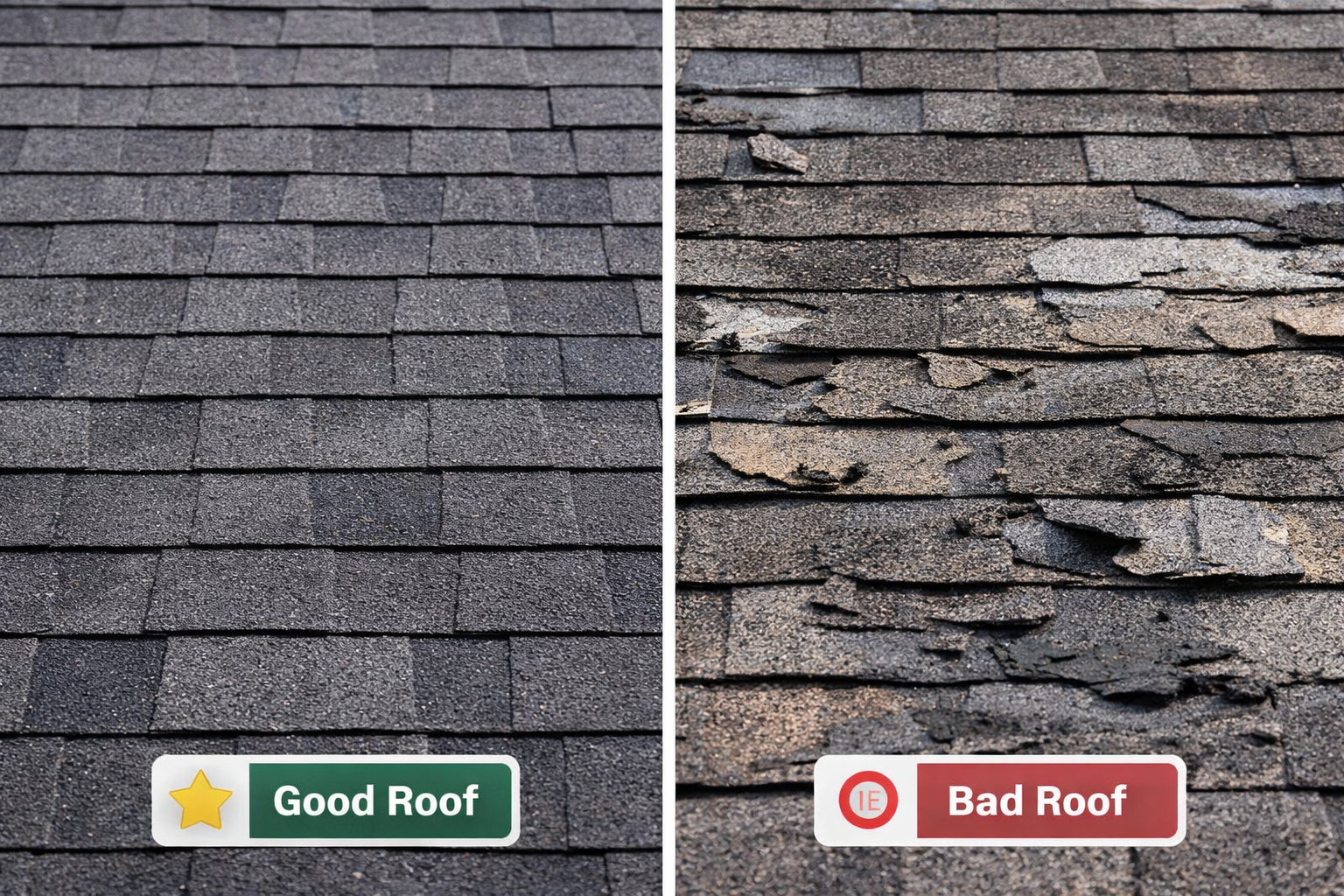
Roof condition
Your roof is one of the first things to review. If it still has solid life left, solar may be worth exploring. If it is already older, especially in that 15 to 20 year range, timing becomes much more important.
For many homeowners, yes — but the real answer depends on your roof, shade, utility bill, and qualification. This page is built to help you understand what actually matters before you make any decision.
Some homeowners are trying to lower a very high electric bill. Others want more control over rising utility costs. Some simply want to know whether solar is worth exploring before going any further.
The strongest fit usually comes down to a few key things: roof condition, shade, current utility costs, and qualification. Higher bills often create more urgency, but lower bills do not automatically rule solar out. Even homeowners planning to sell in the future may still have strong reasons to explore it now.
True Solar Advisor is designed to help you understand what actually matters so you can make a smarter call without the usual pressure or confusion.
These are the first four things that usually shape the conversation around whether solar is a strong fit for a home.
Your roof is one of the first things to review. If it still has solid life left, solar may be worth exploring. If it is already older, especially in that 15 to 20 year range, timing becomes much more important.
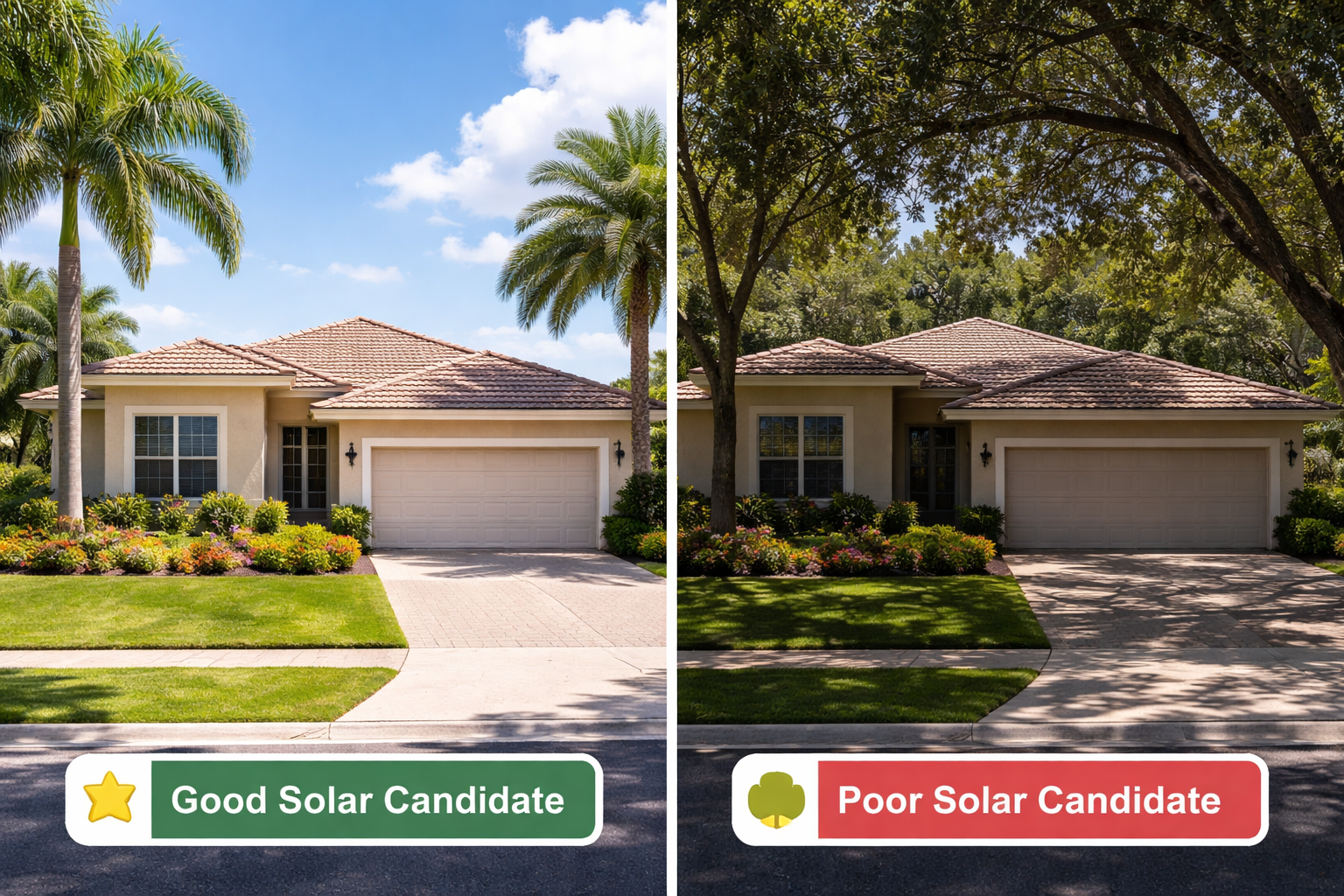
A home with strong sun exposure is usually a better solar candidate than one with heavy tree coverage. Too much shade can reduce production enough to make solar much less attractive, which is why this should be reviewed early.
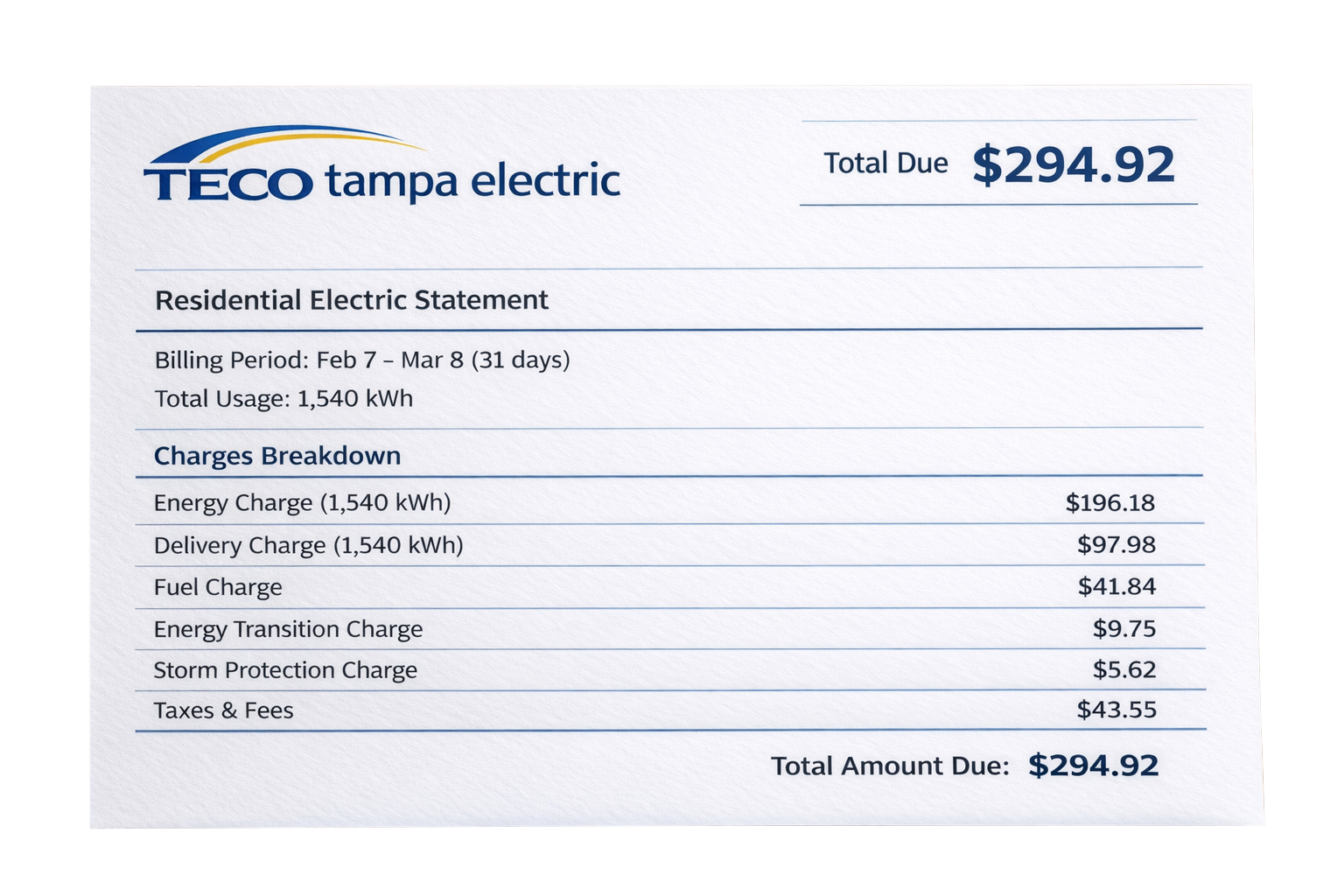
A higher electric bill usually creates more urgency and a stronger reason to explore solar. That said, a lower bill does not automatically mean solar is off the table. The better question is whether the numbers make sense for your home, utility, and goals.
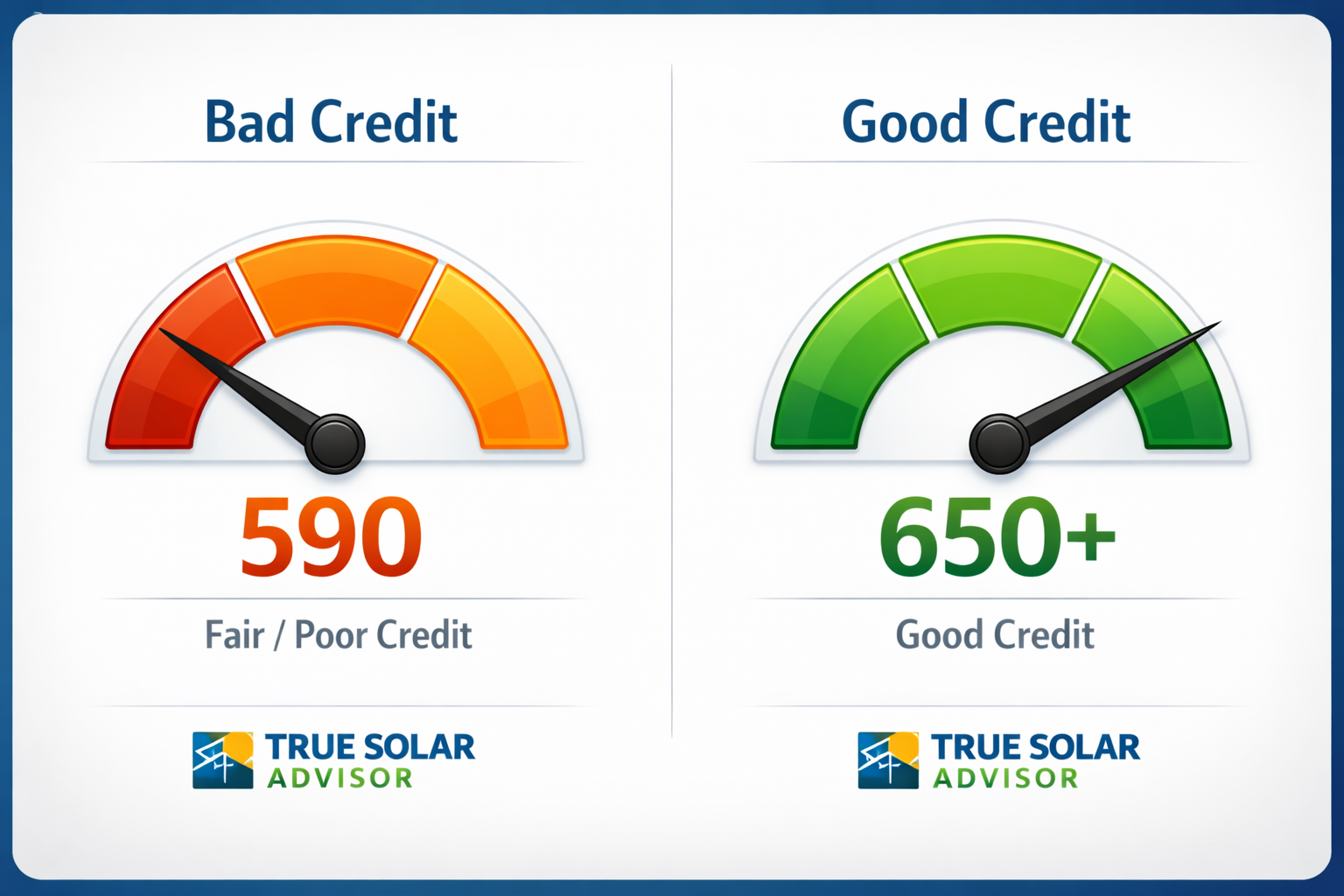
Most solar programs require qualification, so financing approval can affect what options are available. That does not mean every homeowner fits the same program, but it is something worth understanding early instead of later.
If most of these apply, it is usually worth reviewing your home directly instead of guessing from generic advice online.
When a homeowner has a strong reason to explore solar, like high monthly utility costs, roof or shade issues do not always end the conversation immediately. In some situations, there may still be paths forward worth reviewing.
A lot of homeowners are not just reacting to usage. They are reacting to everything built into the monthly bill — energy charges, delivery charges, fuel charges, storm charges, taxes, and fees. That is why even a bill that feels normal at first glance can still create real frustration over time.
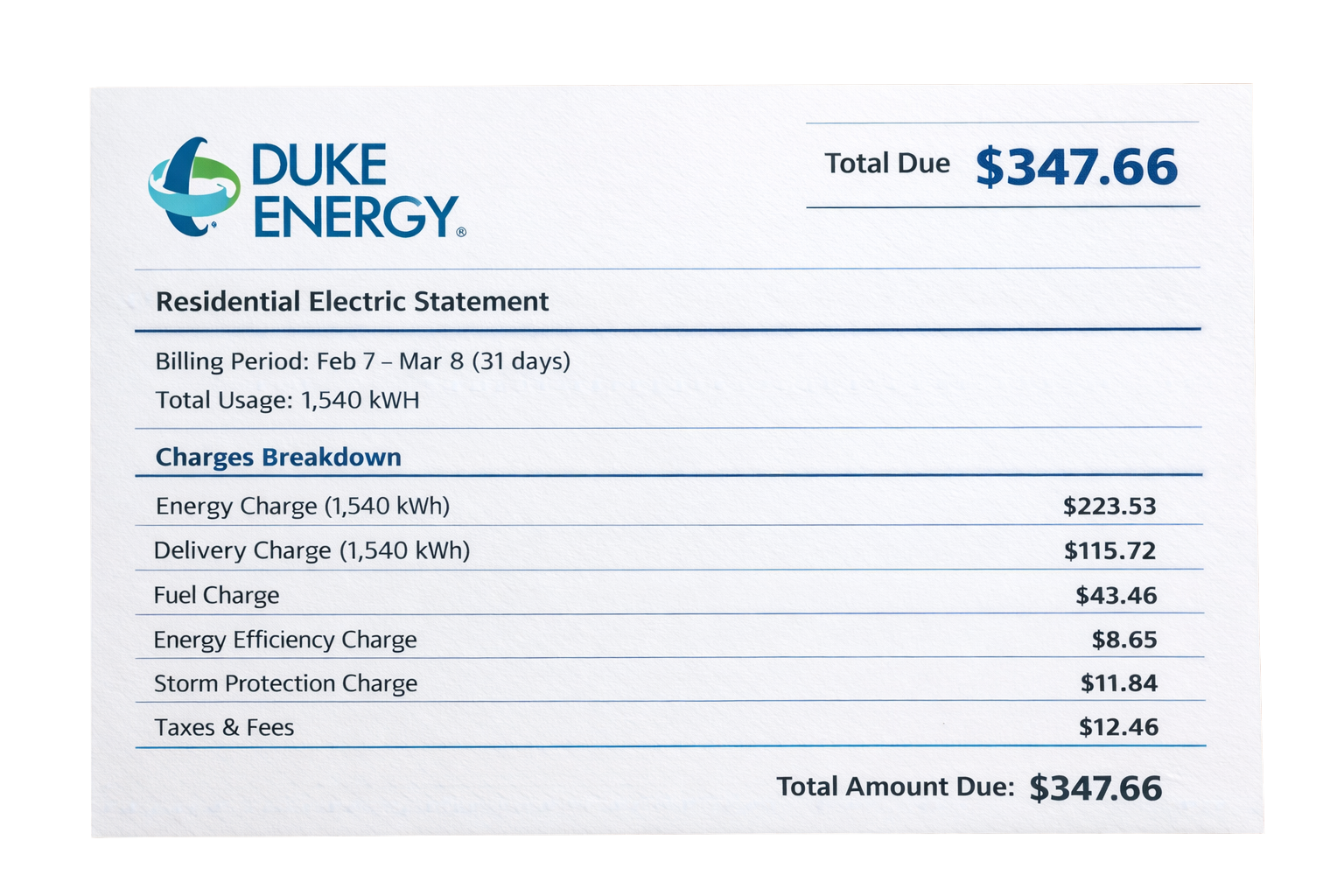
Utility costs are often made up of much more than just raw electricity usage. The total burden is what many homeowners actually feel month after month.
Whether the provider is Duke, TECO, or another utility, the same issue often shows up: energy, delivery, fuel, fees, and other charges all stack up.
At this point, the next step is not more guessing. It is reviewing your roof, shade, bill, and qualification together so you can see whether solar makes sense for your home and what path may fit best.